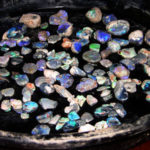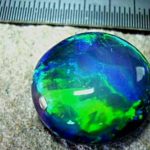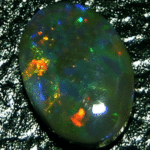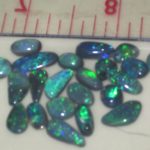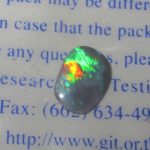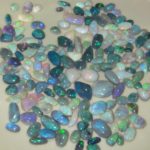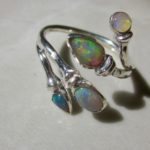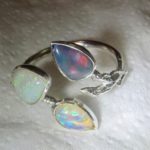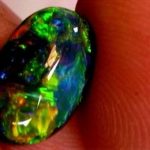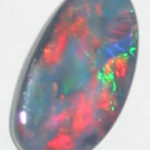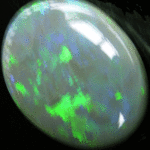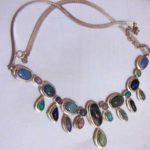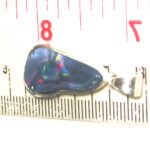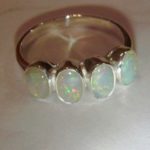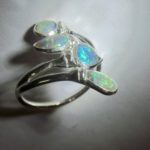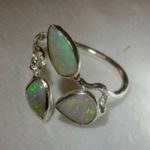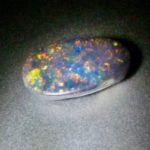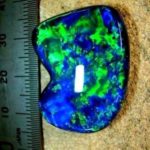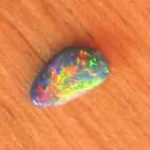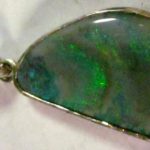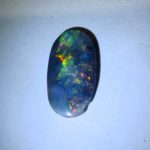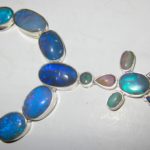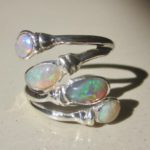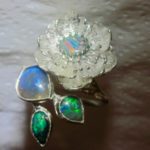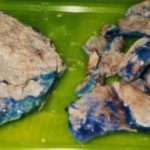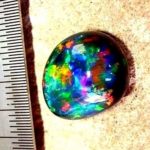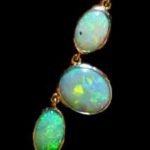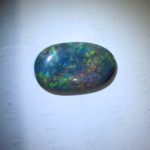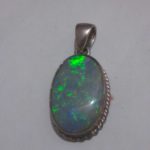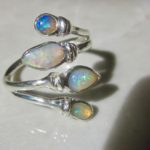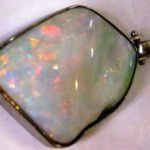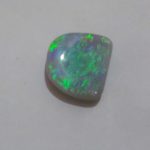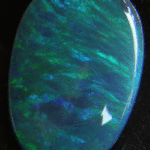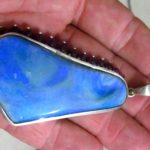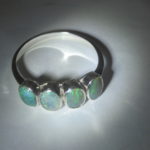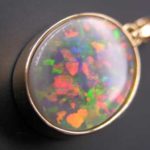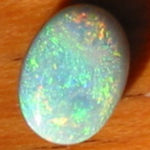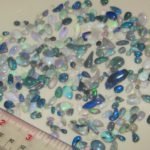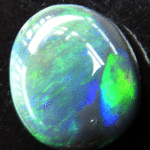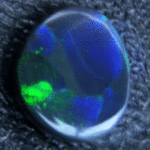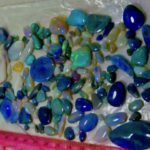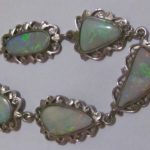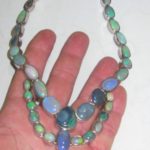

Opal mining information for the Australia Industry around Lightning Ridge.
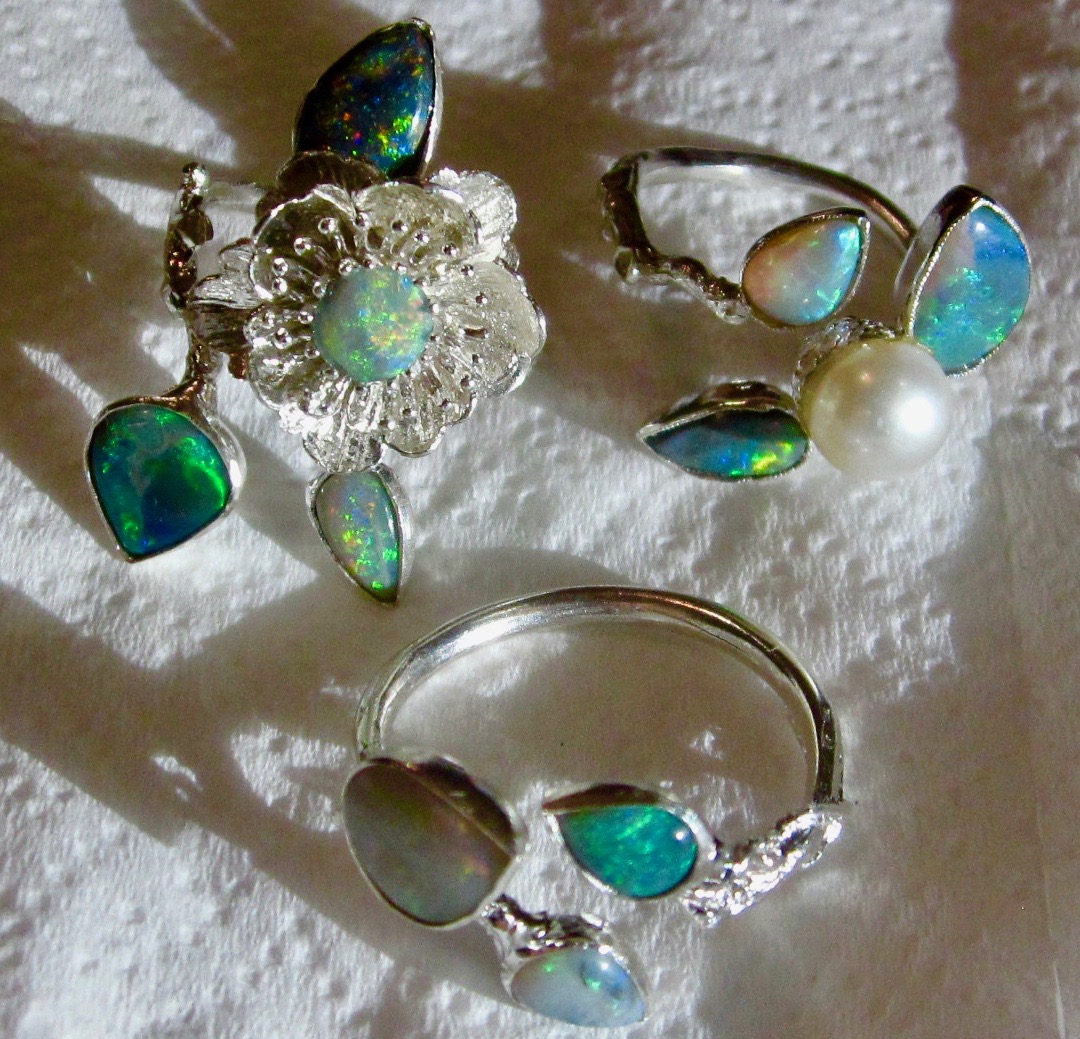
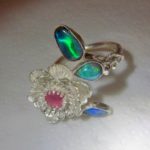
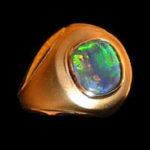
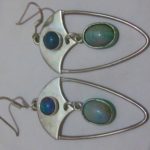
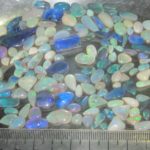
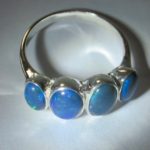
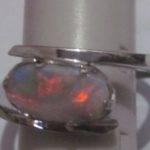
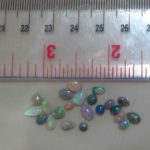
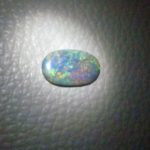
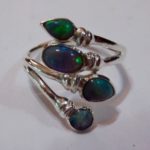
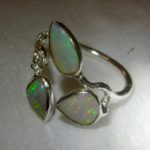
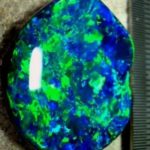
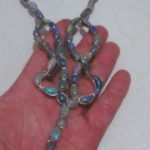
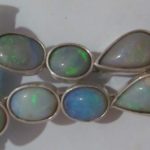
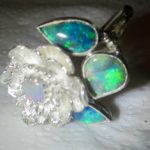
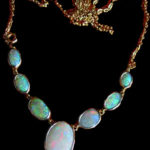
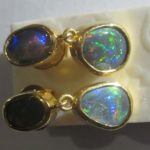
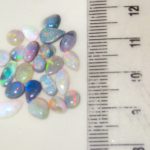
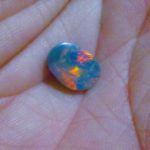
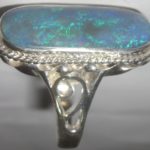
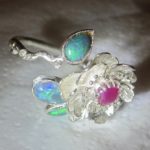
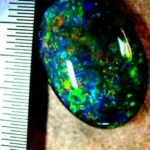
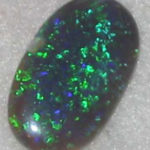
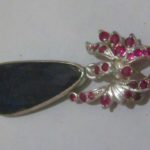
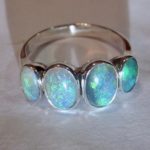
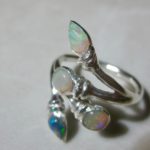
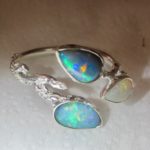
Direct opal rings jewellery from opal mine, gemstones from Australia around Lightning Ridge in the State NSW.
I am writing to inform you of recent changes to the regulation of ancillary mining activities and a proposed extension of the transitional arrangements for communal mullock dumps.
Ancillary Mining Activities (AMAs)
AMAs are activities that are ancillary to, or support, mining operations such as opal puddling or the stockpiling of mullock. These activities were previously referred to as mining purposes.
Recent changes to the framework for regulating AMAs came into effect on 27 June 2017 to clarify its operation and scope. The changes provide a transition period for AMAs established prior to 15 November 2010. Miners have until 14 November 2017 to seek authorisation through a mining lease or mineral claim, otherwise they will be in contravention of the Mining Act 1992.
Communal Mullock Dumps
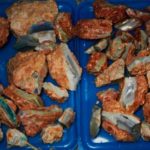
In some areas, opal mining mullock is stockpiled in communal areas (known as ‘communal mullock dumps’). Communal mullock dumps are designated AMAs under the Mining Act 1992. The Department of Planning and Environment recognises that many titleholders are utilising communal mullock dumps to support their mining operations.
The department is currently considering an extension to the transitional period for up to two years for communal mullock dumps that were established prior to 15 November 2010. The proposed extension will enable the department and miners to work together to ensure positive outcomes for industry, the community and the environment.
Only communal mullock dumps that are nominated to the department and meet the requirements will benefit from the extension to the transitional period.
How you can help
We would like to hear from you about which communal mullock dumps should be included in the extended transitional period (provided they meet the criteria identified in the nomination form).
Opal mining information for the Australia Industry around Lightning Ridge.
A set of frequently asked questions is available on our website. If you have further questions please contact Division of Resources and Geoscience on (02) 4931 6578.
I look forward to your support in helping us improve how mineral titles are administered in the opal mining and prospecting areas of NSW.
Kylie Hargreaves
Deputy Secretary
Division of Resources and Geoscience
320 Pitt Street Sydney NSW 2000 | GPO Box 39 Sydney NSW 2001 | planning.nsw.gov.au
By NSW Department of Planning and Environment, 320 Pitt Street Sydney NSW 2000.
Opal mining information for the Australia Industry around Lightning Ridge.
Please visit the Government website.
Opal mining Industry department in NSW Australian.
Copy & Paste this link into your computer to go to NSW Government website in Australia.
http://www.resourcesandenergy.nsw.gov.au/miners-and-explorers/applications-and-approvals/mining-and-exploration-in-nsw/exemption-of-mining-purposes-requirement
Please be advised the previous email correspondence regarding the nomination of communal mullock dumps contained an incorrect email hyperlink. Completed nomination forms should be provided to the correct email address: mullock@industry.nsw.gov.au
If you have further questions please contact Division of Resources and Geoscience.